Business Over Ball: Are Fans and Culture Being Priced Out of the Game?


Football and culture are fundamentally inseparable. The world’s most followed sport does not simply represent identity; it actively shapes it, binding communities, cities, and nations through a shared sense of belonging. Few symbols capture that connection more powerfully than a football shirt: a canvas through which heritage, identity, and pride can be expressed.
The examples are everywhere. From music AFC Ajax’s 2021–22 “Bob Marley” kit, which weaves the “Three Little Birds” anthem into the fabric of matchday culture to fashion, the unreleased England x Nike x Palace kit recently teased by Marcus Rashford, which embodies the growing crossover between football and streetwear; to national identity, hallmarked by Nigeria’s “Naija” kit, offering a modern expression of nationhood.

Yet these shirts now serve a different primary purpose. They have become commercial instruments that extract value from supporter loyalty, directing profits towards the brands and organisations that now define the game. Nowhere is this clearer than in the pricing of modern kits.
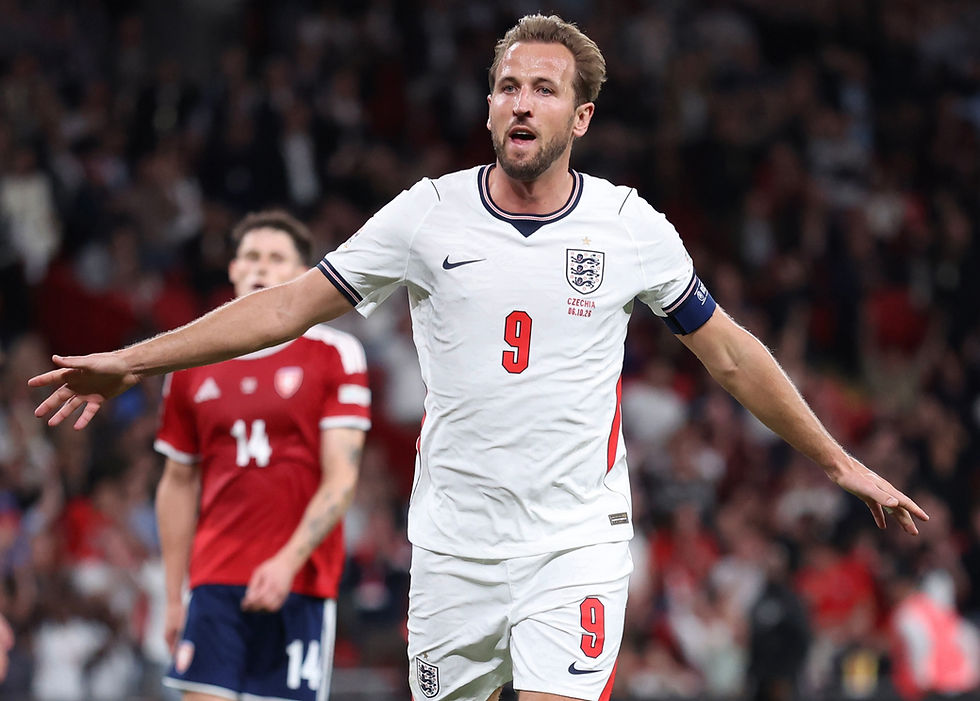
Ahead of the 2026 World Cup, Nike has released the official England shirt at £104.99 for adults, while a full children’s kit rises to £122.98, a price point that has sparked widespread outrage. For many fans, such costs place official merchandise out of reach, fuelling demand for counterfeit alternatives and deepening the ethical tensions embedded across the football merchandise industry.
The financial exploitation of fans now extends across the game. In the Premier League, Liverpool FC, a club that had long frozen ticket prices, recently announced that adult-season ticket prices would increase by between £21.50-£27 next season, reflecting a broader trend amongst English clubs.
BBC Sport reports that the average price of Premier League tickets amongst the ‘big six’ was £74 in 2025 with the total ticket revenue for each club averaging around £120 million – an increase of 19% on 2024. This rise illustrates how access to the game is shaped less by the badge and more by the wallet.

These rising costs are symptomatic of a broader structural shift. The global appeal of Premier League clubs has become a significant asset to the wider UK economy. In 2019 alone, overseas visitors attending Premier League matches contributed an estimated £1.4 billion, highlighting the league’s growing role as a driver of wider tourism. As a result, clubs are increasingly tailoring their appeal towards international audiences, targeting wider markets and the higher overall spending associated with travelling fans.
Yet this strategy is driving a clear bifurcation within the game. Many local supporters feel that rising tourism is diluting both identity and atmosphere inside grounds such as Old Trafford and Anfield, which attract millions of visitors each season. At the same time, international fans often feel reduced to consumers, valued more for their spending than connection. In both cases, the league, and especially its most prominent clubs, risk defining the game through the language of commerce rather than culture and loyalty.

The forthcoming World Cup epitomises the monetisation of football culture. FIFA has introduced a new dynamic pricing system for tickets while also expanding the tournament from 64 to 104 matches by increasing the number of participating nations from 32 to 48. Sports Value estimates these two changes will increase the matchday revenue from $950 million at the 2022 World Cup to around $3 billion in 2026.
BBC Sport estimates that attending eight matches, one in each round, would cost around £5,225 at the lowest price tier, rising to £12,350 for the most expensive tickets. The cheapest ticket for the World Cup final starts at $4,185, more than seven times the price of the equivalent ticket in 2022. Coupled with heightened travel and accommodation costs, a competition long defined by its ability to bring together cultures from across the world risks becoming a global spectacle that is watched by many but experienced by the privileged few.
However, while global broadcasting is driving commercialisation, it is also promoting inclusion especially towards historically marginalised groups within football. In particular, women’s football has seen a surge in participation which is widely attributed to the ‘Lioness effect’. The scale of that growth is clear: between 2017 and 2024, the number of registered female teams in England doubled, with 1,500 new teams registering in the year following the Lionesses’ victory at the 2022 Euros.
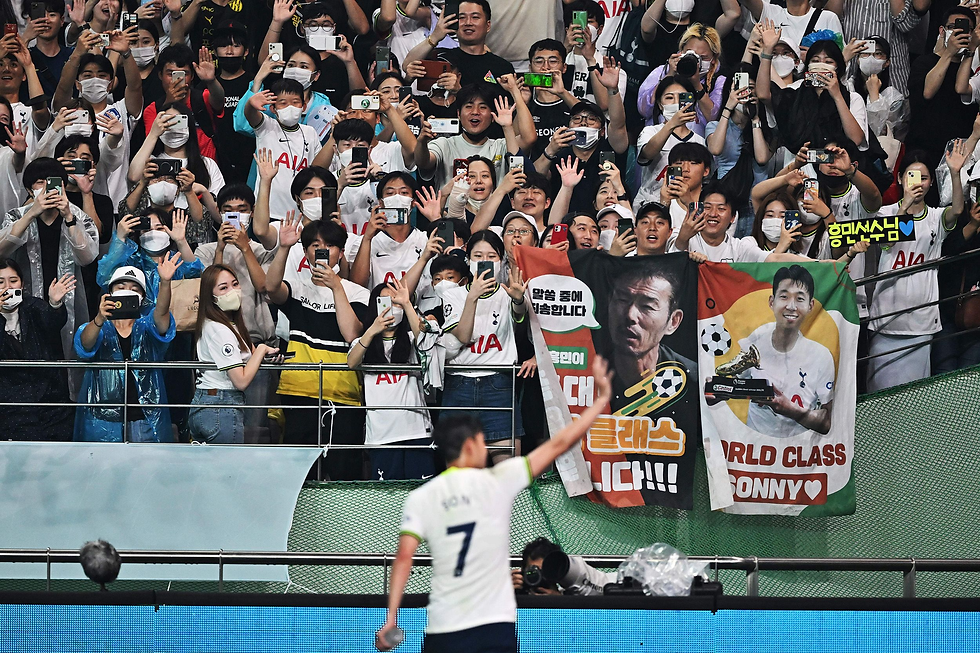
Beyond England, the global reach of Premier League broadcasting has expanded both interest and investment in football worldwide. The legacy of Son Heung-min provides a clear example, with his success at Tottenham Hotspur significantly boosting the league’s popularity in South Korea, where television audiences, shirt sales, and grassroots participation have all grown in tandem.
Yet inclusion alone cannot safeguard football’s cultural foundations. The Bundesliga's ‘50+1 rule’ offers a structural counter-model, ensuring supporters retain majority control of their clubs to limit the extent to which external investors can prioritise profit over fan interests. The impact of this model is tangible. The average price of a Bundesliga ticket in the 24/25 season was €28.78 (around £24), compared to approximately £60 in the Premier League during the 2025/26 season.

In response, many fans in England’s topflight are becoming increasingly alienated and disenfranchised a shift that is fuelling the resurgence of non-league football. That resurgence is evidenced by attendances in the National League South which averaged 1,221 during the 2024/25 season - a rise of 134% since 2014/15. Showing that as the top level becomes more commercialised, lower-league football offers a more affordable, accessible, and authentic matchday experience, allowing supporters to reconnect with the cultural roots of the game.
So where does that leave the game today?
Football and culture remain inseparable but that relationship is now mediated and often controlled by commercial imperatives that are fracturing the game's landscape in diverging directions. While the global expansion of the game is creating new spaces of participation and identity on its periphery, its centre is becoming more commercialised and less accessible. The backbone of the game now no longer lies on the terraces, but in the boardroom — where football’s primary stakeholder has shifted from supporter to shareholder.


Comments