Netherlands 2–2 Japan: Control Without Command in Jerry World

Everything about this felt slightly off from the start.
AT&T Stadium, Jerry World, home of the Dallas Cowboys, has that polished, almost artificial feel to it, and the game kind of matched. A big stage, a controlled environment, but a matchup that always looked like it might be more awkward than it first appeared.
The Netherlands came in with the profile you’d expect: experience, physicality, a heavy Premier League influence, with nine of the starting eleven tied to England. Even then, the other two were Denzel Dumfries and Frenkie de Jong, alongside a defensive record that suggested they should be able to manage games like this. On paper, they have the tools to control tempo and territory.
Japan brought something different.
Unbeaten since September, with strong results in friendlies and a very clear identity. Even without Kaoru Mitoma, Wataru Endo, and Takumi Minamino, you knew what you were getting: a compact shape, discipline out of possession, and a willingness to wait for the right moment rather than chase the game.
It always felt like one of those matches where the Netherlands would have the ball.
The question was whether they would actually do anything meaningful with it.
The Netherlands started like they wanted to answer that early.
Bodies pushed high straight from kick-off, with a clear emphasis on the right-hand side and early involvement for Dumfries and Crysencio Summerville. Cody Gakpo quickly became the focal point, drifting inside and asking questions, while Donyell Malen forced an early save to set the tone.
It looked like control.
But it never really turned into pressure.

Japan were happy to sit in, staying compact and letting the Netherlands play in front of them. There was no urgency to their press early on, and it created a strange rhythm: everything neat, everything tidy, but not really going anywhere.
For a while, that suited the Netherlands.
Then it stopped.
Japan began stepping out more, not constantly, but enough to disrupt the flow. Both sides started to mirror each other structurally, with the Netherlands dropping into a back five out of possession and Japan pulling bodies back to match. The game tightened.
And that’s where the Netherlands started to feel predictable.
Everything kept funnelling through Gakpo. Japan spotted it quickly, doubled up on him, forced him inside, and waited. The Dutch still had the ball and still had territory, but it felt overly careful, almost as if they were trying to find the perfect opening instead of simply creating one.
Japan, meanwhile, were waiting for moments.
And by the end of the first half, they were getting them.
Nakamura found space and fired just wide when he should probably have hit the target before Ayase Ueda followed it up with an instinctive first-time effort that rattled the side netting. The chances weren’t constant, but they were cleaner.
By half-time, it was 0–0.
But it didn’t feel even.
The second half followed a similar pattern at first.
Japan came out with a bit more intent, pushing slightly higher and looking to turn the Netherlands around rather than simply absorb pressure. The Dutch still saw plenty of the ball and still worked it into wide areas, with flashes of quality from Ryan Gravenberch in particular, including a fizzing cross right across the six-yard box that just needed someone to attack it.
And then, finally, something stuck.
From a recycled set piece, it was Gravenberch again. A delivery with pace and purpose found Virgil van Dijk, who guided his header in off the post.

Not intricate, not particularly creative, but effective the kind of goal that comes from persistence rather than inspiration.
It should have settled things.
It didn’t.
Japan responded almost immediately, and it came too easily.
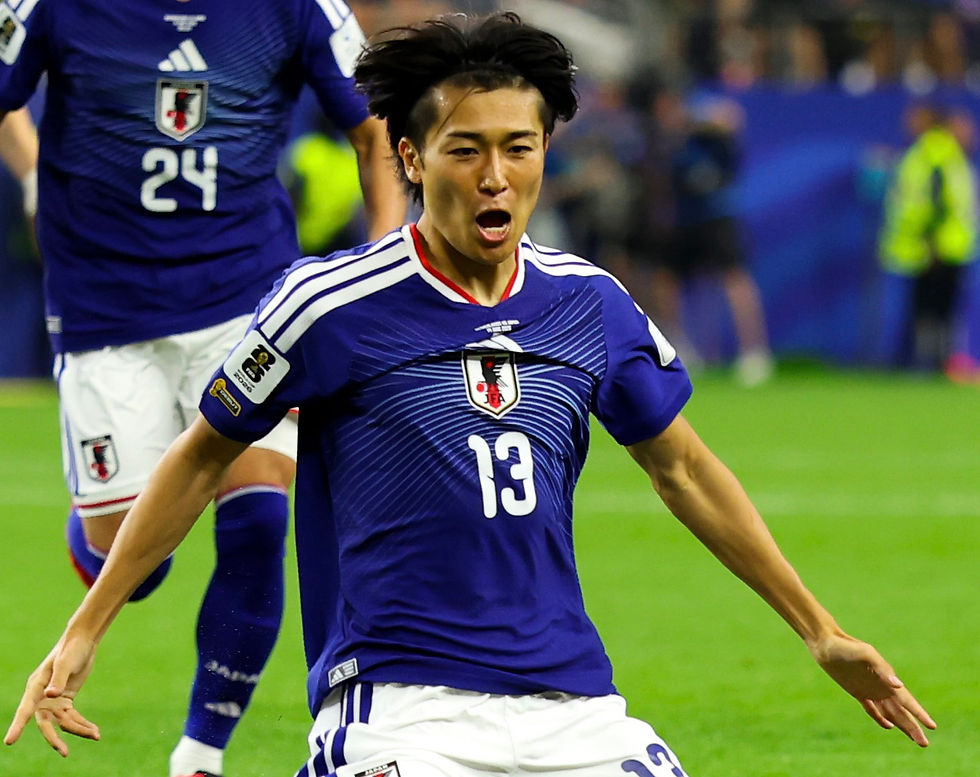
Takefusa Kubo’s cut-back found Nakamura in space, and while the finish took a deflection, the real issue was just how open the opportunity was.
For all the Netherlands’ control, they never really looked secure.
The game opened up from there, and for a spell it felt like it might finally tilt their way again. Summerville’s goal was the standout moment of the night, cutting inside with just enough space before whipping an effort off the post and into the far corner. One of those finishes that stays with you.

That should have been the moment they took control properly.
Instead, it became just another phase.
There was a bit more swagger after that. The midfield moved the ball quicker, combinations clicked more naturally, and Japan were pushed back for a while. But even then, it never felt completely under control.
Japan kept finding a way back into the game.
And eventually, they found the equaliser. A corner was met by Ogawa, with Daichi Kamada applying the final touch. Not clean, not controlled just enough.
By that point, it felt almost predictable.

The Netherlands had the ball again late on, pushing and probing, but without the sense that a third goal was truly coming. Japan, if anything, looked more likely to land the decisive blow, although it was the Dutch who kept searching for the winner.
They never found it.
Takeaways
This is one of those games that probably tells you more than the scoreline.
The Netherlands have a lot going for them. Their wide play, especially through Dumfries and Summerville, is genuinely dangerous, while the midfield, led by Gravenberch, has the quality to compete with anyone.
But it still feels one-paced.
Too much of the attacking responsibility leans on Gakpo, and when that avenue is managed, the alternatives do not arrive quickly enough. The fact that both goals came from elsewhere highlights that the quality exists it just does not always connect.
At times, it feels managed rather than created.
Japan, on the other hand, look entirely comfortable in their identity.
Compact, frustrating, disciplined, but with enough quality to hurt opponents whenever space appears. When they stepped out, particularly through overlapping runs and quick transitions, they caused genuine problems.
They will be the happier side.
Not because they dominated, but because the game unfolded in exactly the way they can live with. The Netherlands, meanwhile, will almost certainly view this as two points dropped rather than one gained.
Player of the Match
Ryan Gravenberch
Two assists, but more importantly, he gave the Netherlands something close to control in midfield.

Everything good seemed to run through him: clean in possession, progressive without forcing it, and involved in both decisive moments. When he went off, the game drifted again, and that probably tells you everything.
This felt like a game the Netherlands had… and then didn’t.
Plenty of the ball, plenty of structure, but never quite the authority to close it out. And once it became a game of moments, Japan were always going to have a say.
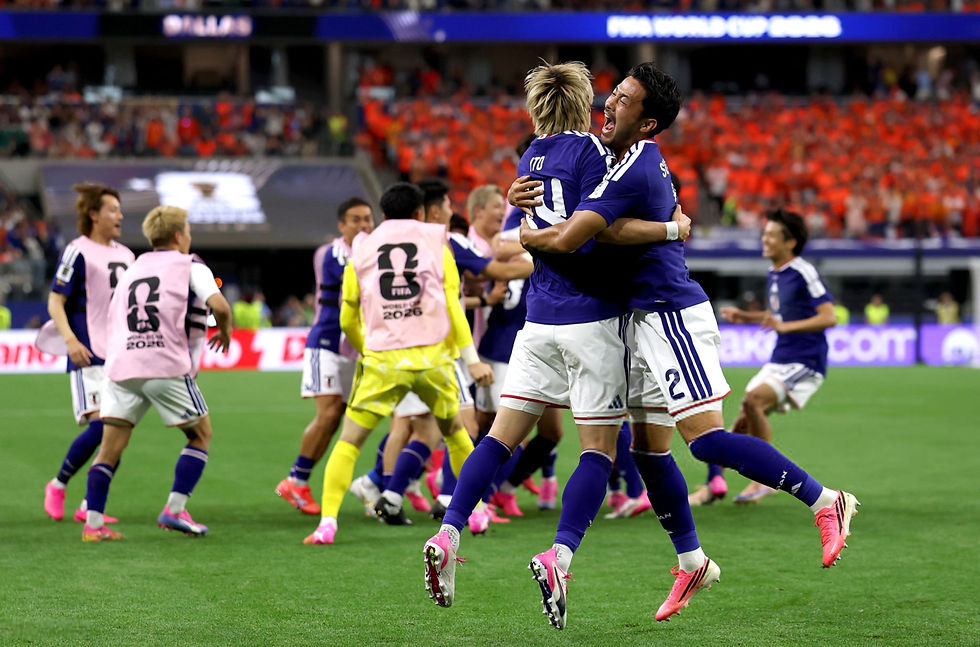
In the end, possession didn’t decide it.
The spaces did.


Comments